This course is in active development. Preview the scope below and create a free account to be notified the moment it goes live.
VCF Operations Design
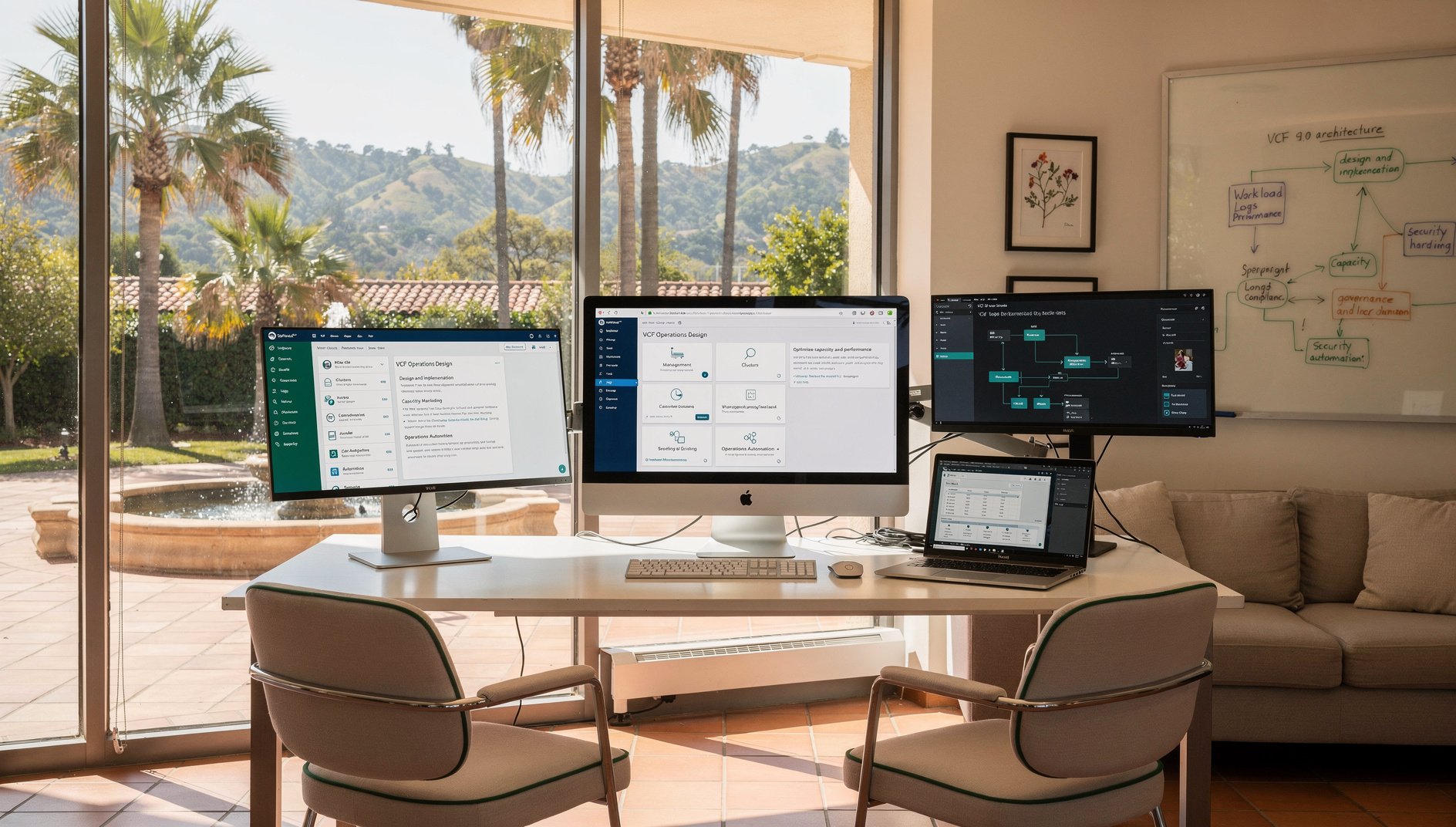
The course teaches VMware Certified Advanced Professional candidates how to design, implement, and optimize VCF 9.0 operations, covering architecture, capacity, performance, compliance, security, and automation to ensure resilient, efficient cloud foundations.
Who Should Take This
It is intended for senior VMware administrators, architects, and engineers with at least three years of experience managing VCF environments. These professionals seek to deepen strategic expertise in operational design, capacity planning, performance tuning, security compliance, and automated orchestration to lead enterprise‑scale cloud initiatives.
What's Covered
1Domain 1: Operations Architecture
2Domain 2: Capacity Management
3Domain 3: Performance Management
4Domain 4: Compliance and Security
5Domain 5: Automation and Orchestration
6Domain 6: Troubleshooting Framework
7Domain 7: Lifecycle Management
What's Included in AccelaStudy® AI
Course Outline
1Domain 1: Operations Architecture 2 topics
Monitoring Design
- Apply VCF monitoring architecture with Aria Operations, dashboards, and alerting configuration and operational procedures for enterprise VMware environments.
- Apply VCF monitoring architecture with Aria Operations, dashboards, and alerting best practices including deployment standards and integration with related components.
- Analyze VCF monitoring architecture with Aria Operations, dashboards, and alerting configuration and data to identify issues, performance bottlenecks, and optimization opportunities.
- Analyze VCF monitoring architecture with Aria Operations, dashboards, and alerting tradeoffs between different implementation approaches evaluating complexity, cost, and operational impact.
- Design a VCF monitoring architecture with Aria Operations, dashboards, and alerting strategy that satisfies enterprise requirements for scalability, performance, security, and governance.
Logging Design
- Apply centralized logging architecture with Aria Operations for Logs and syslog forwarding techniques for complex scenarios requiring multi-component coordination and integration.
- Apply centralized logging architecture with Aria Operations for Logs and syslog forwarding integration with monitoring, automation, and third-party systems for unified management.
- Analyze centralized logging architecture with Aria Operations for Logs and syslog forwarding failures and degradation using diagnostic tools, logs, and metrics to determine root causes.
- Analyze the operational impact of centralized logging architecture with Aria Operations for Logs and syslog forwarding changes on dependent services and infrastructure stability.
- Design comprehensive centralized logging architecture with Aria Operations for Logs and syslog forwarding procedures including automation, monitoring, escalation, and documentation.
2Domain 2: Capacity Management 2 topics
Capacity Planning
- Apply capacity planning methodology including sizing, forecasting, and growth modeling configuration and operational procedures for enterprise VMware environments.
- Apply capacity planning methodology including sizing, forecasting, and growth modeling best practices including deployment standards and integration with related components.
- Analyze capacity planning methodology including sizing, forecasting, and growth modeling configuration and data to identify issues, performance bottlenecks, and optimization opportunities.
- Analyze capacity planning methodology including sizing, forecasting, and growth modeling tradeoffs between different implementation approaches evaluating complexity, cost, and operational impact.
- Design a capacity planning methodology including sizing, forecasting, and growth modeling strategy that satisfies enterprise requirements for scalability, performance, security, and governance.
Cost Optimization
- Apply cost analysis, rightsizing recommendations, and resource reclamation design techniques for complex scenarios requiring multi-component coordination and integration.
- Apply cost analysis, rightsizing recommendations, and resource reclamation design integration with monitoring, automation, and third-party systems for unified management.
- Analyze cost analysis, rightsizing recommendations, and resource reclamation design failures and degradation using diagnostic tools, logs, and metrics to determine root causes.
- Analyze the operational impact of cost analysis, rightsizing recommendations, and resource reclamation design changes on dependent services and infrastructure stability.
- Design comprehensive cost analysis, rightsizing recommendations, and resource reclamation design procedures including automation, monitoring, escalation, and documentation.
3Domain 3: Performance Management 2 topics
Performance Monitoring
- Apply performance monitoring design with baselines, anomaly detection, and trend analysis configuration and operational procedures for enterprise VMware environments.
- Apply performance monitoring design with baselines, anomaly detection, and trend analysis best practices including deployment standards and integration with related components.
- Analyze performance monitoring design with baselines, anomaly detection, and trend analysis configuration and data to identify issues, performance bottlenecks, and optimization opportunities.
- Analyze performance monitoring design with baselines, anomaly detection, and trend analysis tradeoffs between different implementation approaches evaluating complexity, cost, and operational impact.
- Design a performance monitoring design with baselines, anomaly detection, and trend analysis strategy that satisfies enterprise requirements for scalability, performance, security, and governance.
Performance Optimization
- Apply performance optimization strategy for compute, storage, and network resources techniques for complex scenarios requiring multi-component coordination and integration.
- Apply performance optimization strategy for compute, storage, and network resources integration with monitoring, automation, and third-party systems for unified management.
- Analyze performance optimization strategy for compute, storage, and network resources failures and degradation using diagnostic tools, logs, and metrics to determine root causes.
- Analyze the operational impact of performance optimization strategy for compute, storage, and network resources changes on dependent services and infrastructure stability.
- Design comprehensive performance optimization strategy for compute, storage, and network resources procedures including automation, monitoring, escalation, and documentation.
4Domain 4: Compliance and Security 2 topics
Compliance Framework
- Apply compliance monitoring design with regulatory benchmarks and hardening guidelines configuration and operational procedures for enterprise VMware environments.
- Apply compliance monitoring design with regulatory benchmarks and hardening guidelines best practices including deployment standards and integration with related components.
- Analyze compliance monitoring design with regulatory benchmarks and hardening guidelines configuration and data to identify issues, performance bottlenecks, and optimization opportunities.
- Analyze compliance monitoring design with regulatory benchmarks and hardening guidelines tradeoffs between different implementation approaches evaluating complexity, cost, and operational impact.
- Design a compliance monitoring design with regulatory benchmarks and hardening guidelines strategy that satisfies enterprise requirements for scalability, performance, security, and governance.
Security Operations
- Apply security operations design including audit logging, vulnerability management, and incident response techniques for complex scenarios requiring multi-component coordination and integration.
- Apply security operations design including audit logging, vulnerability management, and incident response integration with monitoring, automation, and third-party systems for unified management.
- Analyze security operations design including audit logging, vulnerability management, and incident response failures and degradation using diagnostic tools, logs, and metrics to determine root causes.
- Analyze the operational impact of security operations design including audit logging, vulnerability management, and incident response changes on dependent services and infrastructure stability.
- Design comprehensive security operations design including audit logging, vulnerability management, and incident response procedures including automation, monitoring, escalation, and documentation.
5Domain 5: Automation and Orchestration 2 topics
Operational Automation
- Apply operational automation design using Aria Automation and Orchestrator for routine tasks configuration and operational procedures for enterprise VMware environments.
- Apply operational automation design using Aria Automation and Orchestrator for routine tasks best practices including deployment standards and integration with related components.
- Analyze operational automation design using Aria Automation and Orchestrator for routine tasks configuration and data to identify issues, performance bottlenecks, and optimization opportunities.
- Analyze operational automation design using Aria Automation and Orchestrator for routine tasks tradeoffs between different implementation approaches evaluating complexity, cost, and operational impact.
- Design a operational automation design using Aria Automation and Orchestrator for routine tasks strategy that satisfies enterprise requirements for scalability, performance, security, and governance.
Runbook Automation
- Apply runbook automation strategy for incident response, remediation, and change management techniques for complex scenarios requiring multi-component coordination and integration.
- Apply runbook automation strategy for incident response, remediation, and change management integration with monitoring, automation, and third-party systems for unified management.
- Analyze runbook automation strategy for incident response, remediation, and change management failures and degradation using diagnostic tools, logs, and metrics to determine root causes.
- Analyze the operational impact of runbook automation strategy for incident response, remediation, and change management changes on dependent services and infrastructure stability.
- Design comprehensive runbook automation strategy for incident response, remediation, and change management procedures including automation, monitoring, escalation, and documentation.
6Domain 6: Troubleshooting Framework 2 topics
Diagnostic Architecture
- Apply diagnostic architecture design with log correlation, metric analysis, and root cause workflows configuration and operational procedures for enterprise VMware environments.
- Apply diagnostic architecture design with log correlation, metric analysis, and root cause workflows best practices including deployment standards and integration with related components.
- Analyze diagnostic architecture design with log correlation, metric analysis, and root cause workflows configuration and data to identify issues, performance bottlenecks, and optimization opportunities.
- Analyze diagnostic architecture design with log correlation, metric analysis, and root cause workflows tradeoffs between different implementation approaches evaluating complexity, cost, and operational impact.
- Design a diagnostic architecture design with log correlation, metric analysis, and root cause workflows strategy that satisfies enterprise requirements for scalability, performance, security, and governance.
Escalation Design
- Apply escalation framework design with tiered support, SLA tracking, and vendor engagement techniques for complex scenarios requiring multi-component coordination and integration.
- Apply escalation framework design with tiered support, SLA tracking, and vendor engagement integration with monitoring, automation, and third-party systems for unified management.
- Analyze escalation framework design with tiered support, SLA tracking, and vendor engagement failures and degradation using diagnostic tools, logs, and metrics to determine root causes.
- Analyze the operational impact of escalation framework design with tiered support, SLA tracking, and vendor engagement changes on dependent services and infrastructure stability.
- Design comprehensive escalation framework design with tiered support, SLA tracking, and vendor engagement procedures including automation, monitoring, escalation, and documentation.
7Domain 7: Lifecycle Management 2 topics
Upgrade Strategy
- Apply VCF lifecycle management design including upgrade planning, testing, and staged rollout configuration and operational procedures for enterprise VMware environments.
- Apply VCF lifecycle management design including upgrade planning, testing, and staged rollout best practices including deployment standards and integration with related components.
- Analyze VCF lifecycle management design including upgrade planning, testing, and staged rollout configuration and data to identify issues, performance bottlenecks, and optimization opportunities.
- Analyze VCF lifecycle management design including upgrade planning, testing, and staged rollout tradeoffs between different implementation approaches evaluating complexity, cost, and operational impact.
- Design a VCF lifecycle management design including upgrade planning, testing, and staged rollout strategy that satisfies enterprise requirements for scalability, performance, security, and governance.
Backup and DR
- Apply backup and disaster recovery design for VCF management plane and workload protection techniques for complex scenarios requiring multi-component coordination and integration.
- Apply backup and disaster recovery design for VCF management plane and workload protection integration with monitoring, automation, and third-party systems for unified management.
- Analyze backup and disaster recovery design for VCF management plane and workload protection failures and degradation using diagnostic tools, logs, and metrics to determine root causes.
- Analyze the operational impact of backup and disaster recovery design for VCF management plane and workload protection changes on dependent services and infrastructure stability.
- Design comprehensive backup and disaster recovery design for VCF management plane and workload protection procedures including automation, monitoring, escalation, and documentation.
Scope
Included Topics
- VCF 9.0 operations architecture, monitoring strategy, capacity planning, performance optimization, compliance, troubleshooting frameworks, and operational automation design.
- Enterprise-level VMware technology knowledge for VCF 9.0 Operations Design.
Not Covered
- Implementation details beyond stated certification scope.
- Vendor-specific third-party configurations.
- Current pricing and partner program details.
Official Exam Page
Learn more at VMware/Broadcom
3V0-22.25 is coming soon
Adaptive learning that maps your knowledge and closes your gaps.
Create Free Account to Be Notified